Our Initiatives

Faculty Professional Development

Spring 2026

Faculty Spring 2026 Professional Development Workshop

“Teaching in the Age of Generative AI: Redefining How We Design and Assess Learning.”

In Spring 2026, the Digital Teaching and Learning Center hosted a two-day faculty professional development workshop, “Teaching in the Age of Generative AI: Redefining How We Design and Assess Learning.”

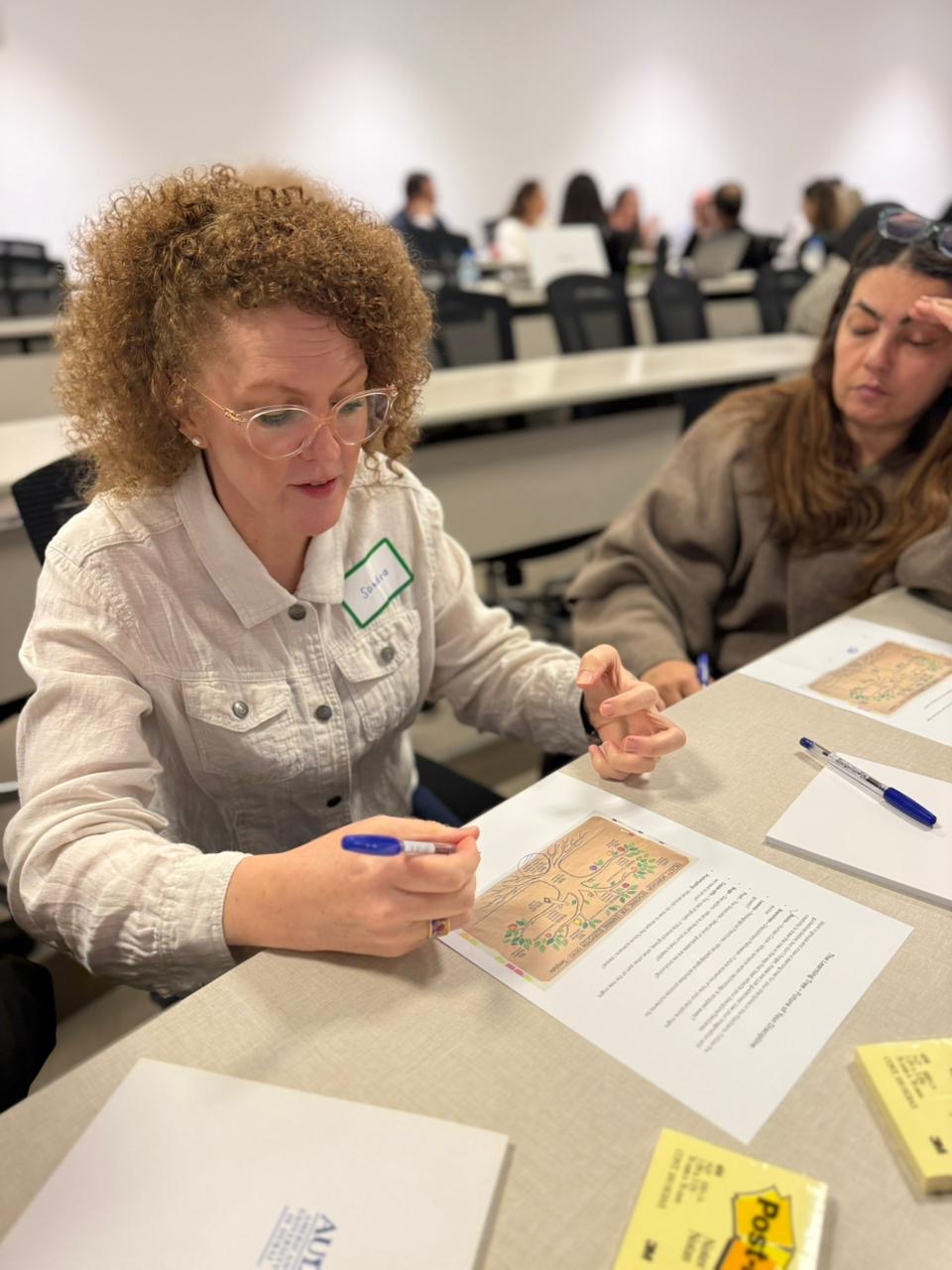
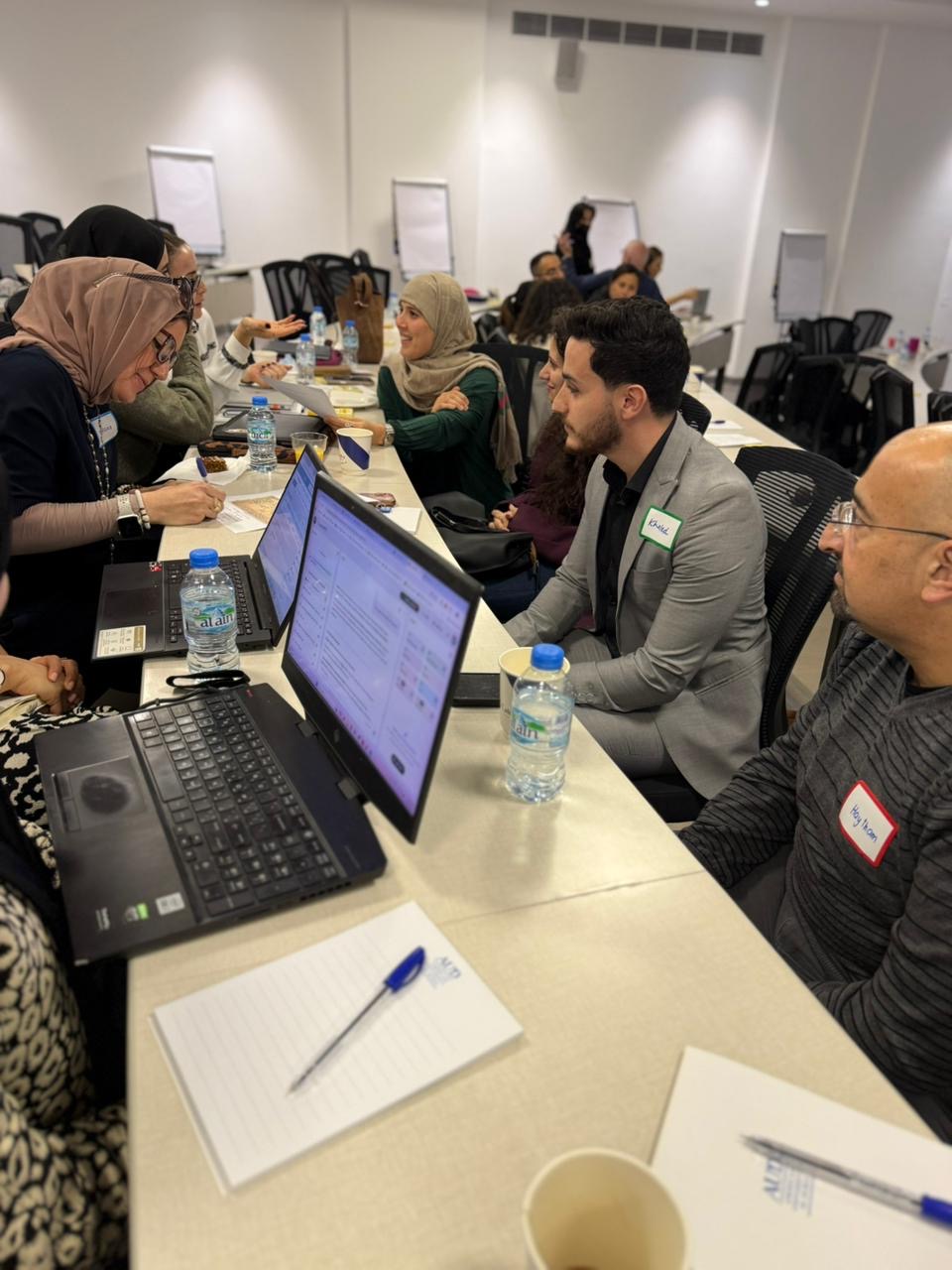
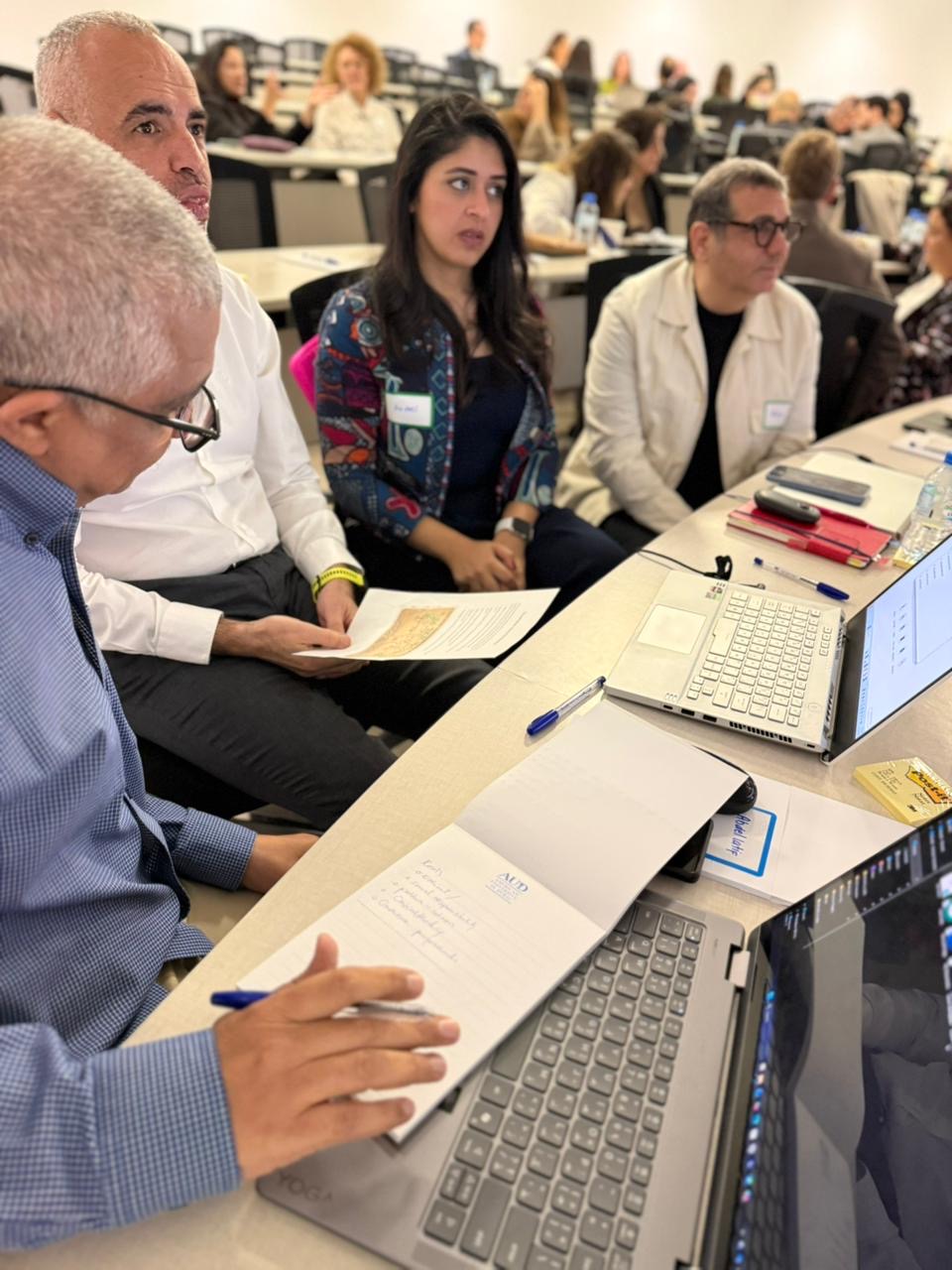
The session kicked off with a scenario-based activity, sparking an insightful and lively debate on the validity of traditional assessment methods in today’s AI-driven landscape. Working in interdisciplinary groups, faculty envisioned how teaching and learning will evolve across their respective fields and disciplines in an AI-dominated world.

In the second part of the workshop, AUD’s DTLC team demonstrated cutting-edge AI tools suitable for effective course design and delivery, while highlighting creative, forward-thinking practices from leading global universities.

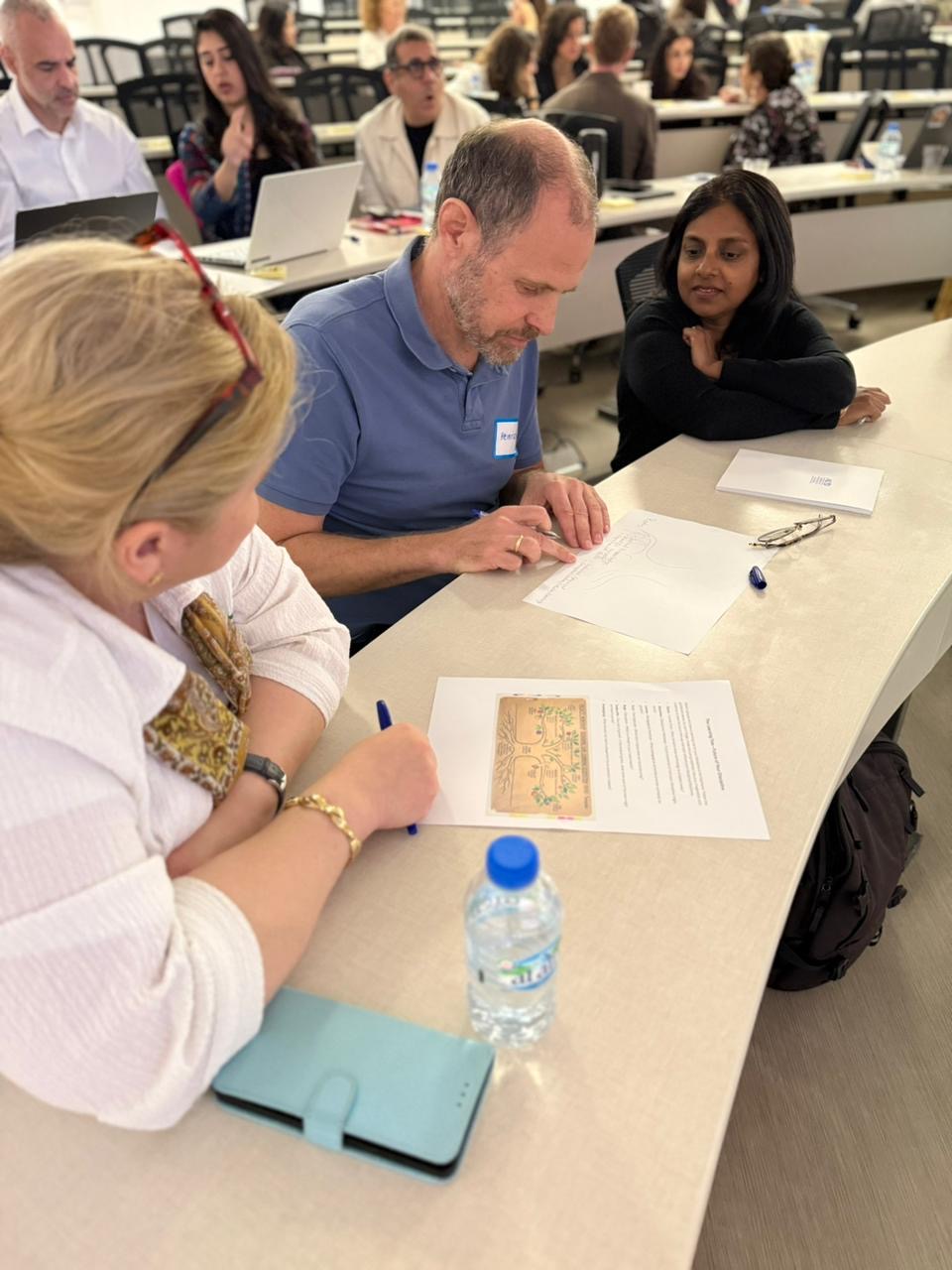
To wrap up the workshop, faculty got hands-on in an assessment redesign lab. They collaboratively updated their current course assignments to make them more authentic, engaging, and AI-resilient.

Workshop photo gallery
Scenario-based opening activity
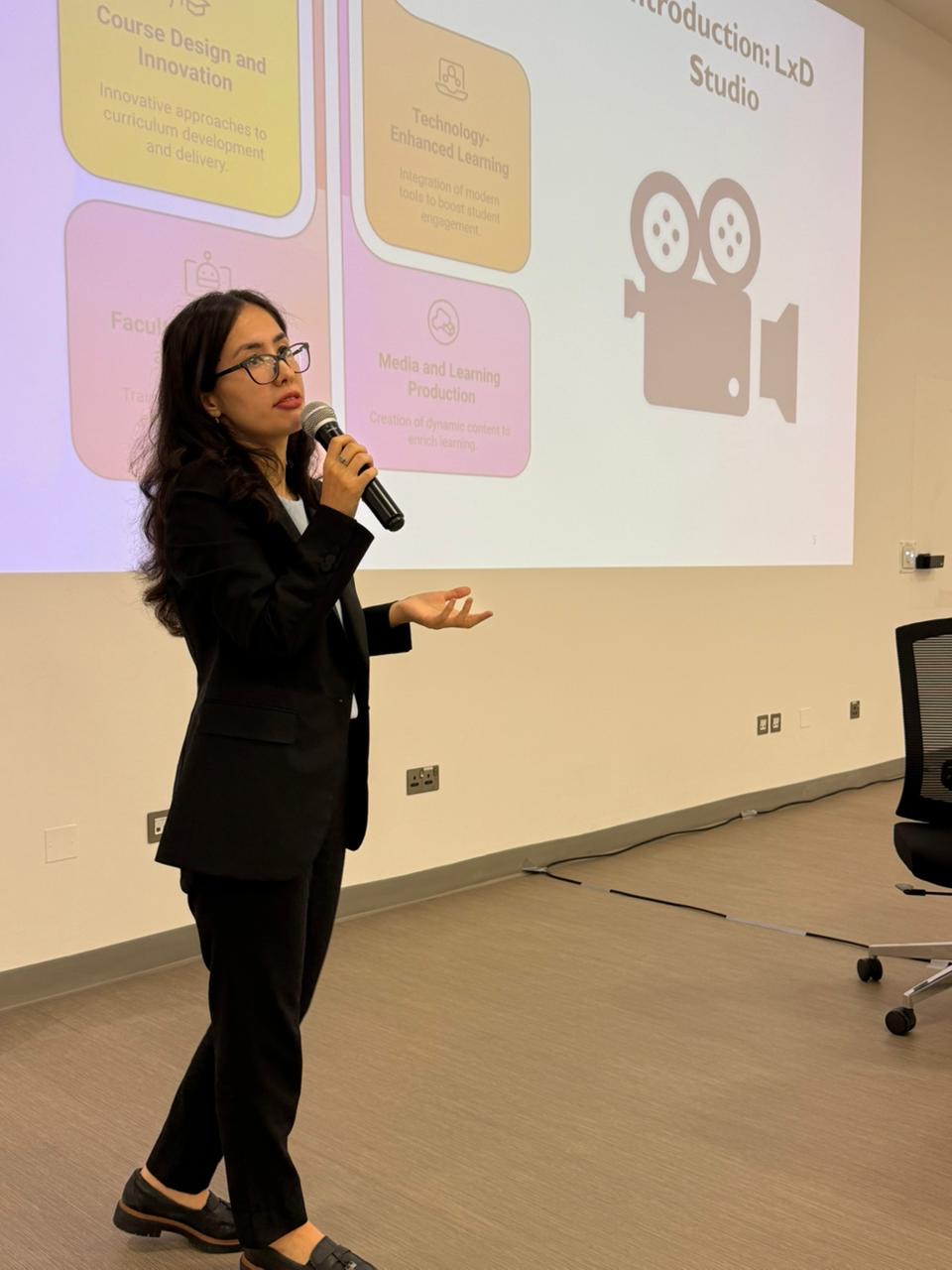
Introducing the LxD Studio
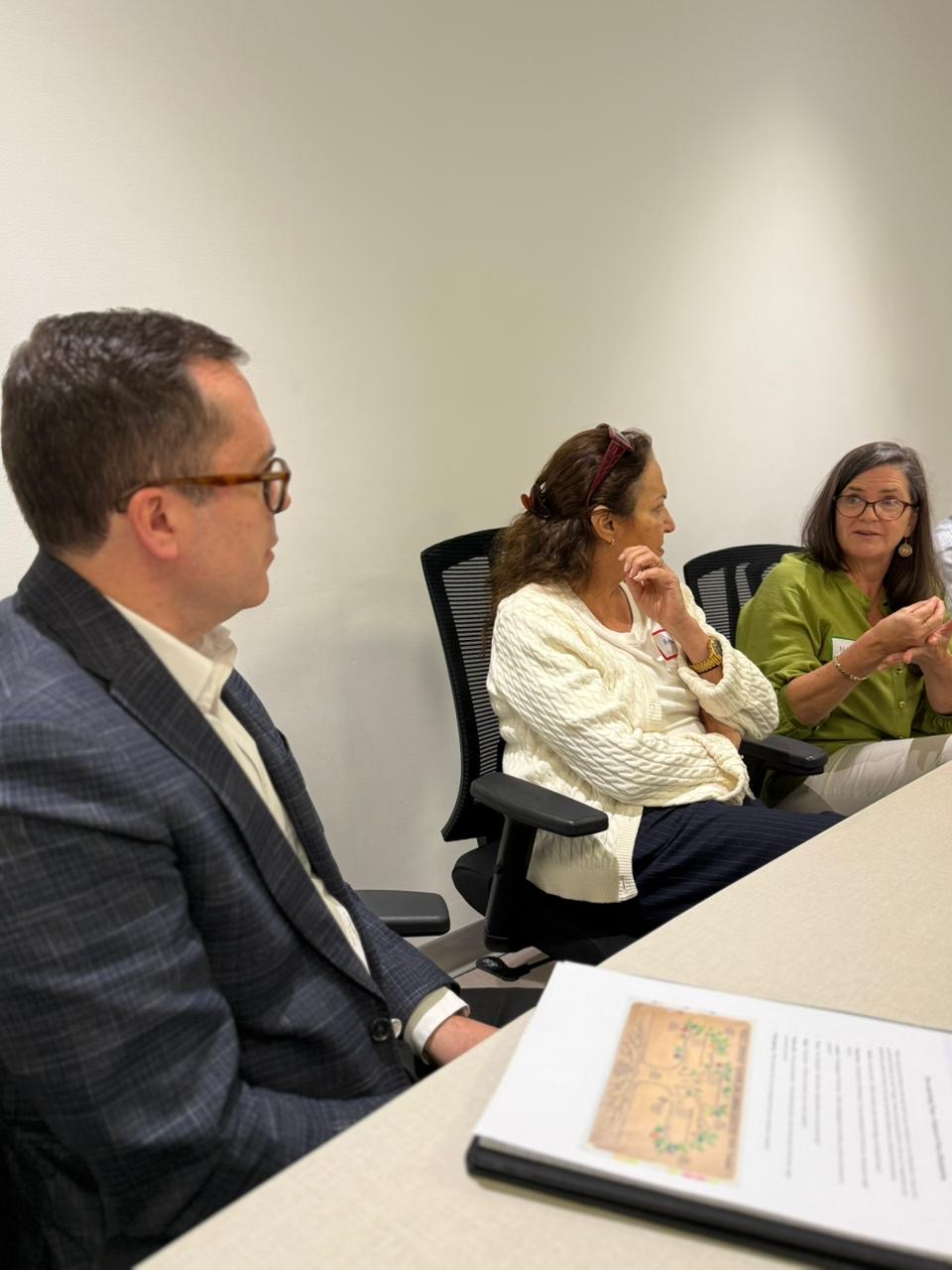
Interdisciplinary group discussion
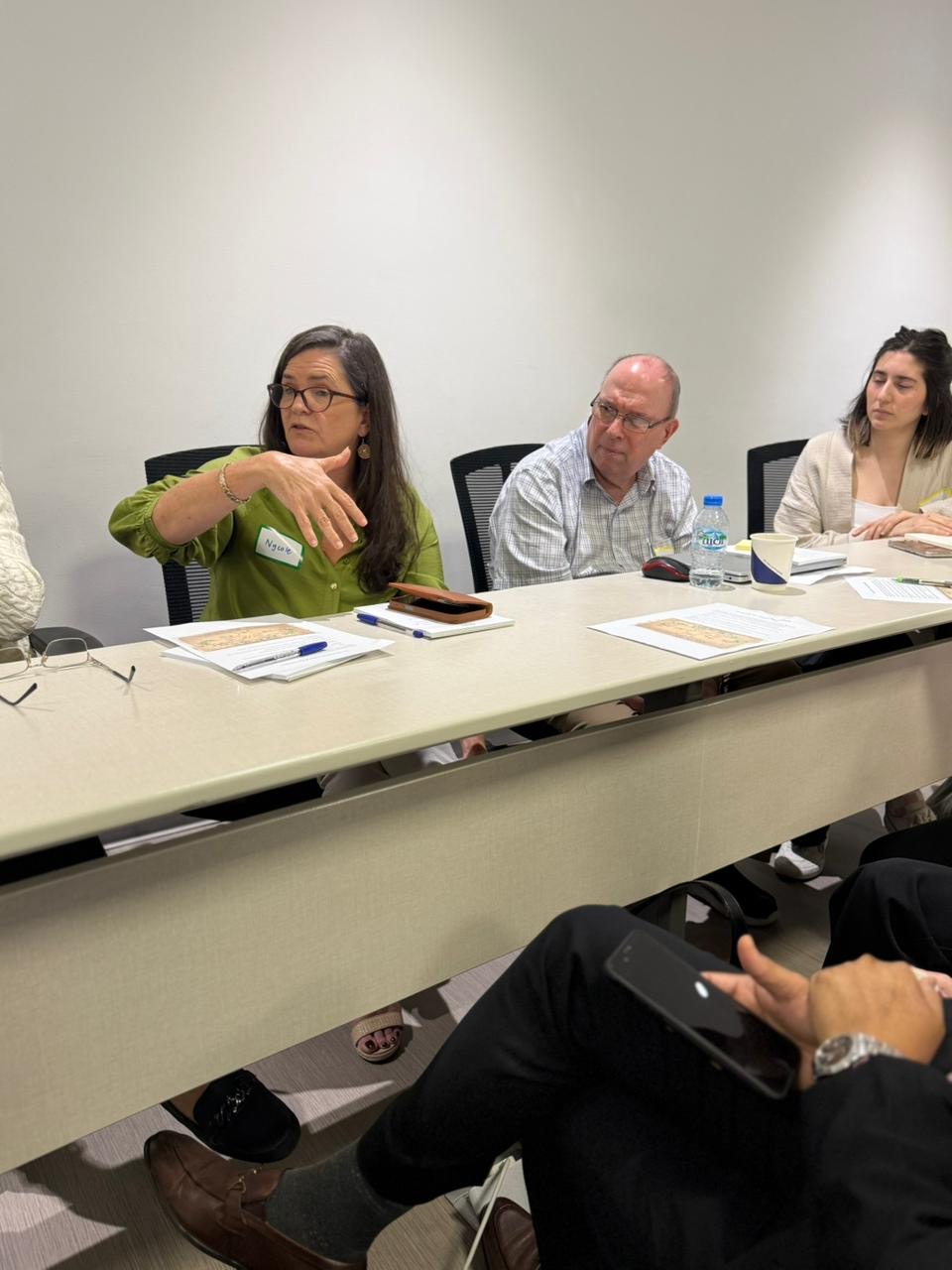
Faculty debating traditional assessment
Rethinking assessment across disciplines
Hands-on assessment redesign lab
Exploring AI tools for course design
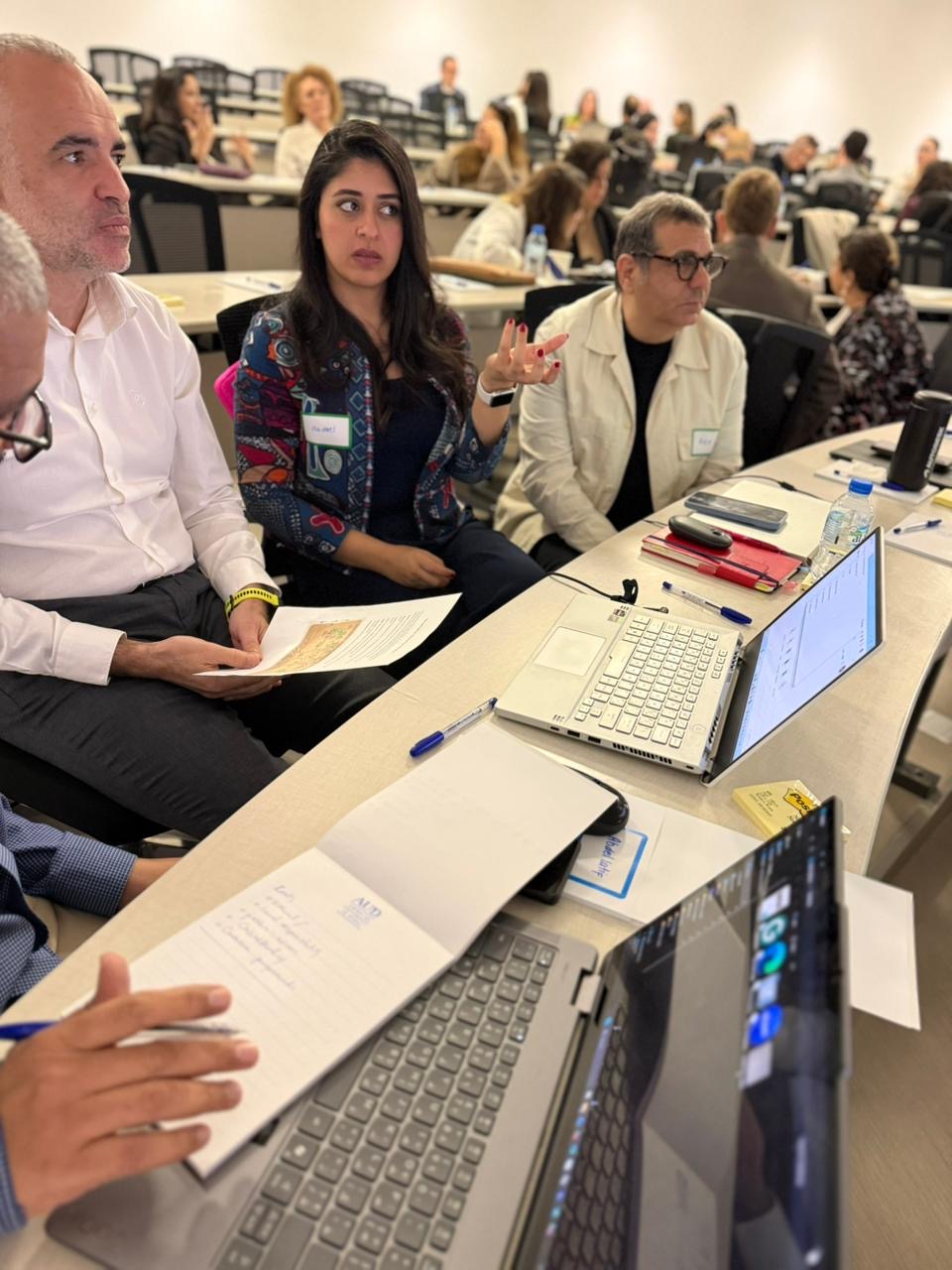
Faculty collaboration session

Fall 2026

Faculty Development Workshop Fall 2026: Building an Inclusive Classroom

August 26, 2026

On August 26, faculty gathered for a workshop on diversity, equity, and asset-based thinking in the classroom. The session opened by unpacking the difference between equality and equity, using the “curb cut effect” to show how designs made for one group—such as captioned lectures, extended exam time, and explicit grading rubrics—end up benefiting everyone.

Participants then explored the diversity of AUD’s student body and worked through reframing deficit-based language, such as “weak English skills,” into asset-based framing that recognizes multilingual strengths and navigational resilience. The workshop also tackled the “warm syllabus,” with faculty redesigning real syllabus passages.

Faculty left with a personal action plan: one deficit-framed phrase to retire, and one equitable and inclusive approach they will implement in the classroom.