Faculty perspective
The Idea Is Still Theirs: Teaching with AI in the Advertising Studio
Dina Faour
Professor of Advertising, Department of Visual Communication · School of Architecture, Art and Design
Every semester a colleague stops me in the corridor with the same question: How do you let students use AI without losing the point of the course?
I have been asked about it enough times that I now have an answer I trust, and it comes from two courses at two different points in the advertising program: “Layout and Production” in the junior year, and the Capstone project in the senior year.
The short version is this: AI does not touch the idea. It is allowed into execution, under conditions, and those conditions tighten as the stakes rise.
The longer version is the rest of this post.
Why advertising is a useful test case
Advertising is a discipline where the idea and the execution are separable, and where the industry has already made up its mind. Agencies in Dubai are using image generation daily. If I graduate an art director who has never directed a machine, I have graduated someone who is behind on day one. If I graduate one who cannot tell a strong idea from a weak one because the machine did the thinking, I have failed at something more important.
So, the question was never whether to allow AI. It was where to draw the line, and how to make the line visible to students, colleagues, and anyone assessing the work.
Junior year: Layout and Production
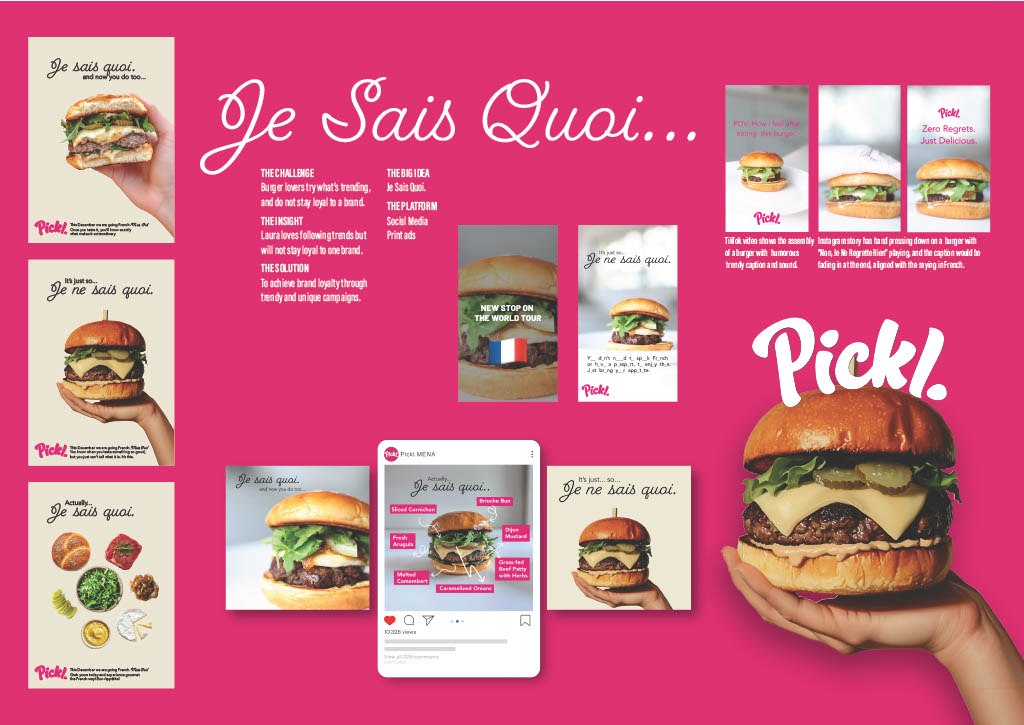
Students work on live briefs from real clients. For a brief from Pickl, a local burger brand, every team developed its own big idea and conceptual route without AI. Ideas were pitched, critiqued, and refined on paper and in conversation.
Then came production. A burger campaign needs different builds, angles, and lighting within one consistent visual world. In a professional setting, that takes a food stylist, photographer, and studio day. In a classroom, the alternative is often no image—or generic stock photography.
Here, AI was not only permitted but required. Students generated hero visuals to a standard the client could use. They discovered how much art direction it took: a prompt is a brief, and a vague prompt gives you a vague burger. Getting details right and maintaining consistency across six executions became genuine craft work.
Students stopped seeing image generation as a shortcut and began seeing it as a disciplined production skill. Their critiques became sharper because “I could not source the image” was no longer an excuse. If the visual was weak, it was a decision, not a limitation. At this level, supervision was light: final visuals were reviewed, prompts were requested when something looked off, and the idea and layout were graded as before.
Student outcomes
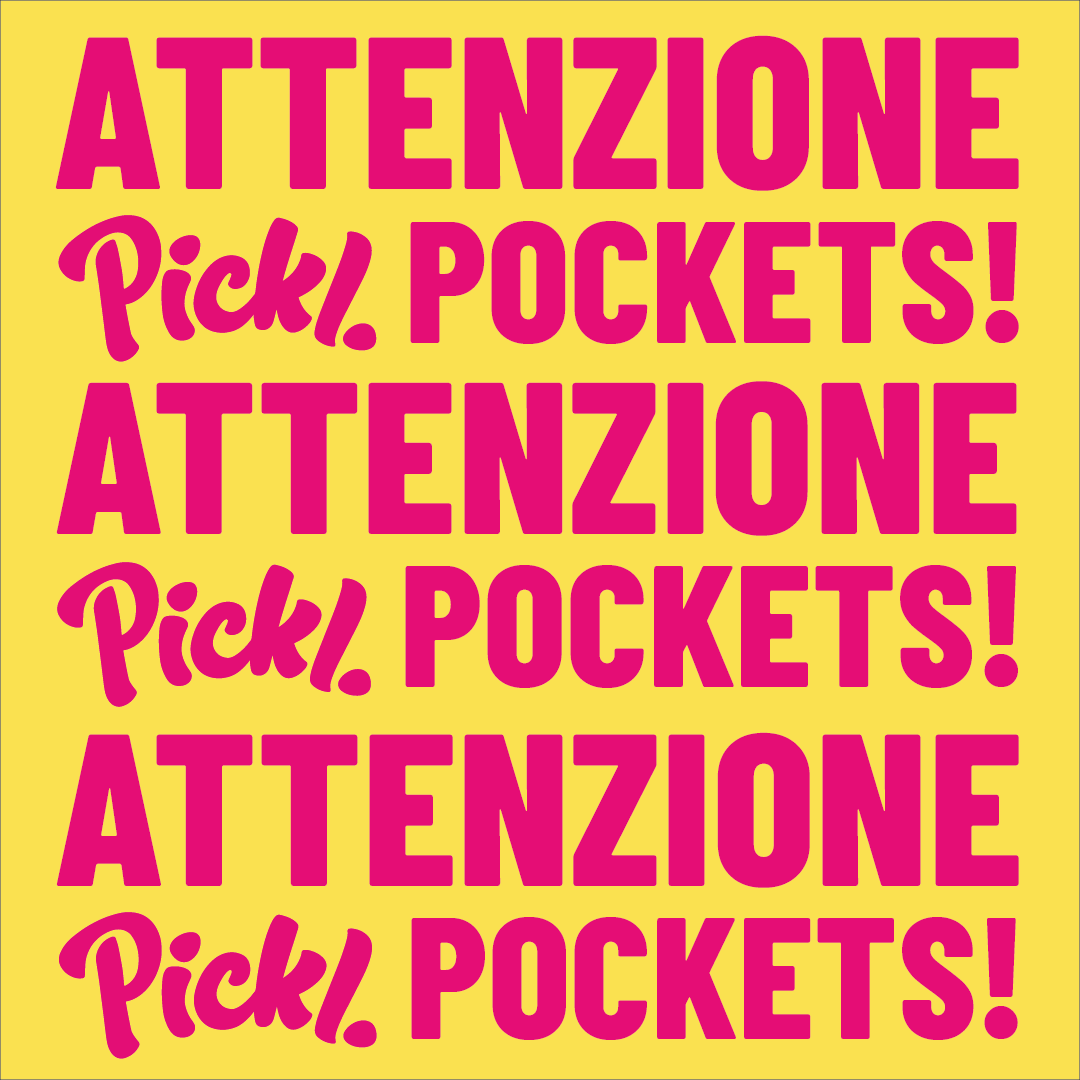

Campaign executions by graduate Haifa Hatahet
Senior year: the Capstone
The Capstone is different in scale and weight. Students produce a large body of work—often twenty or more executions across channels—and the statement of intent and overall approach matter far more than any single piece. A weak idea cannot hide behind volume; it becomes more exposed.
AI was therefore both more useful and more dangerous. It could help one student produce a body of that size, but it could also disguise the absence of an idea. At this level, AI was permitted only with full declaration, while prompts and process were supervised throughout the semester.
Declaration was a document, not a footnote
Every student submitted a form describing where AI was used, which tools were used, and for what purpose. Research support and image generation were declared separately. No form, no grade. Students said it was a relief to have the rule spelled out.
Prompts were treated as process work
Prompt histories were reviewed like sketches, mood boards, and copy drafts. A log reveals how a student thinks: iterating toward a visual, changing direction, or hitting a wall. It also shows when someone types one line and accepts whatever comes back.
The idea was assessed before the execution
Students presented their statement and big idea in a review with no visuals. Only after the idea was approved did the body of work enter the discussion. This single change did more than anything else to keep the machine out of the thinking.
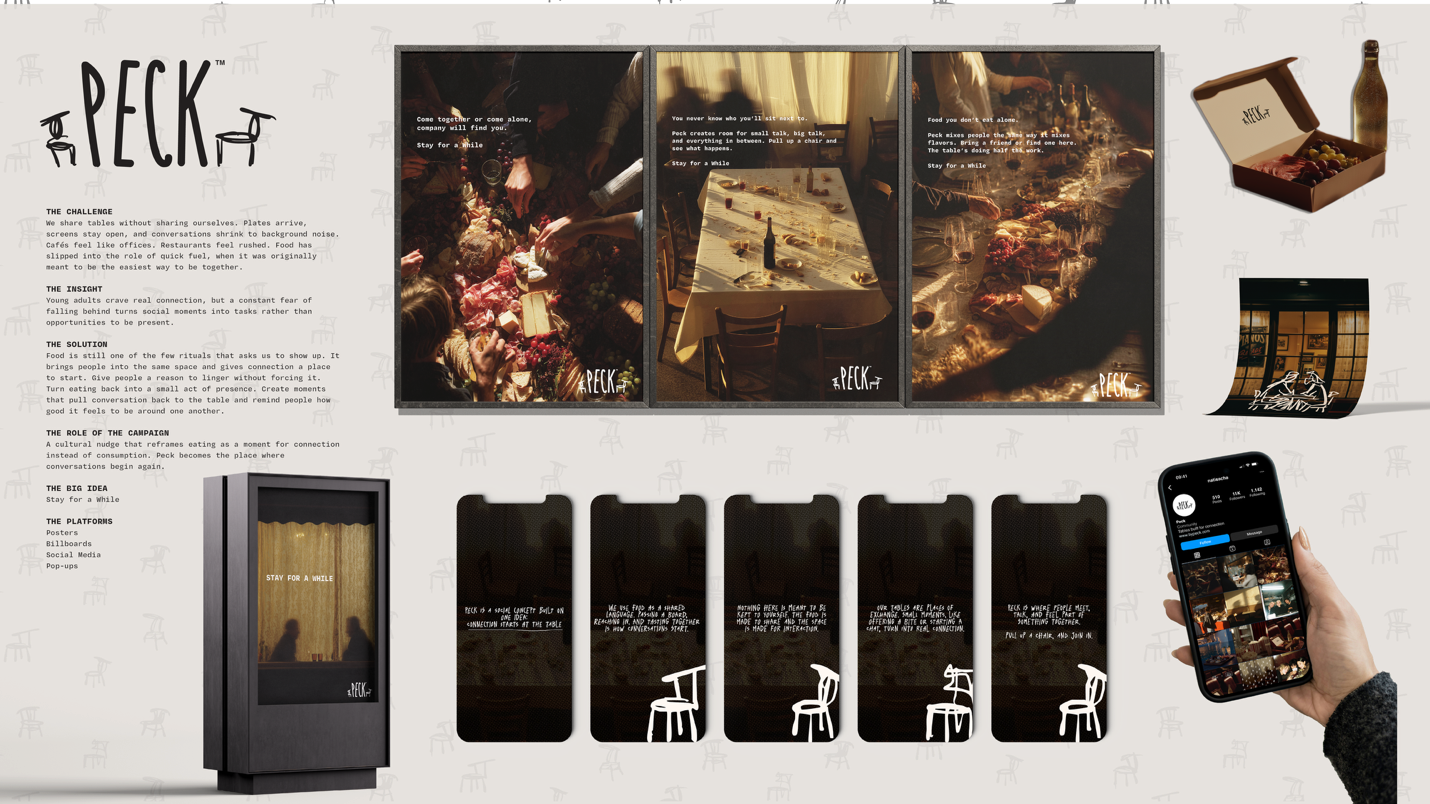
Capstone project
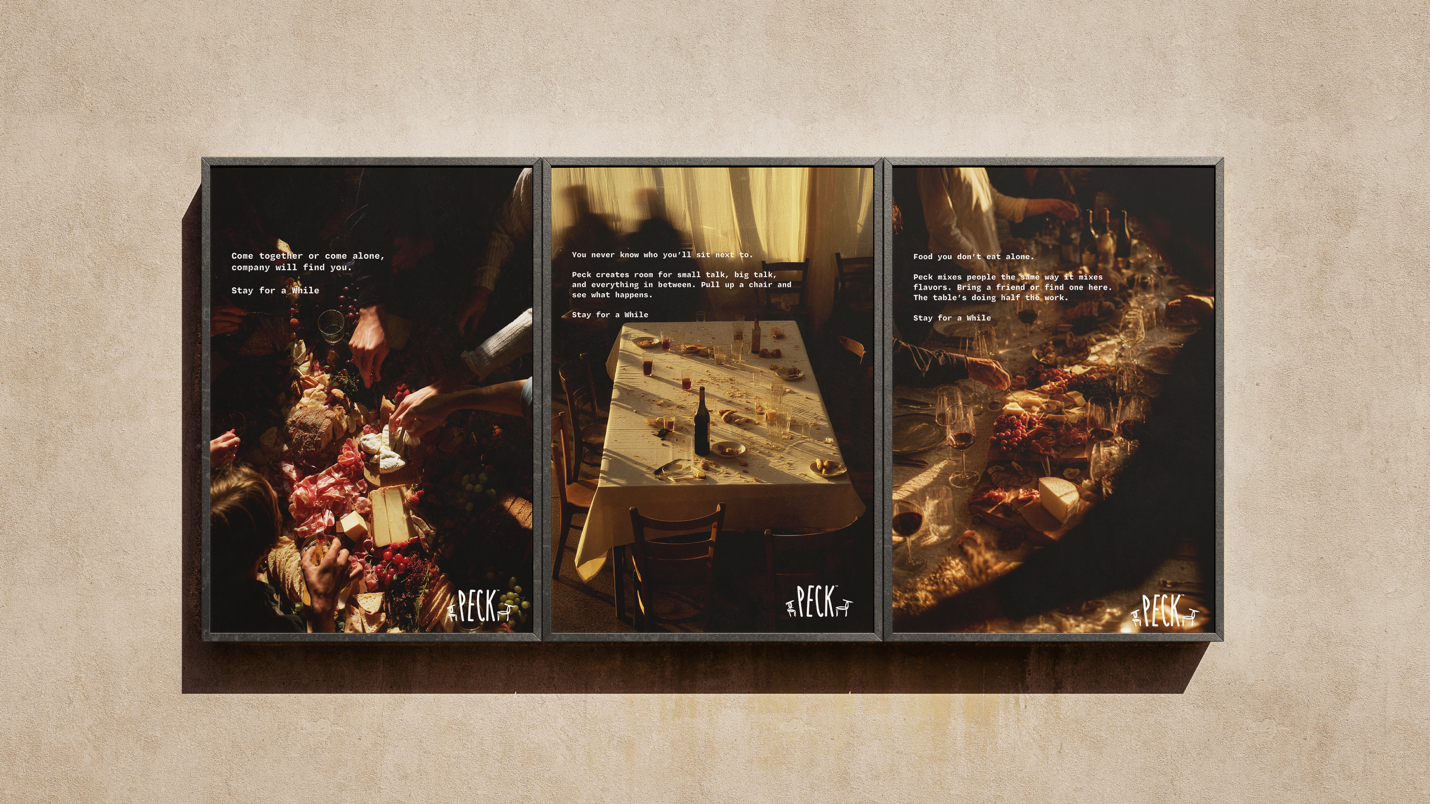
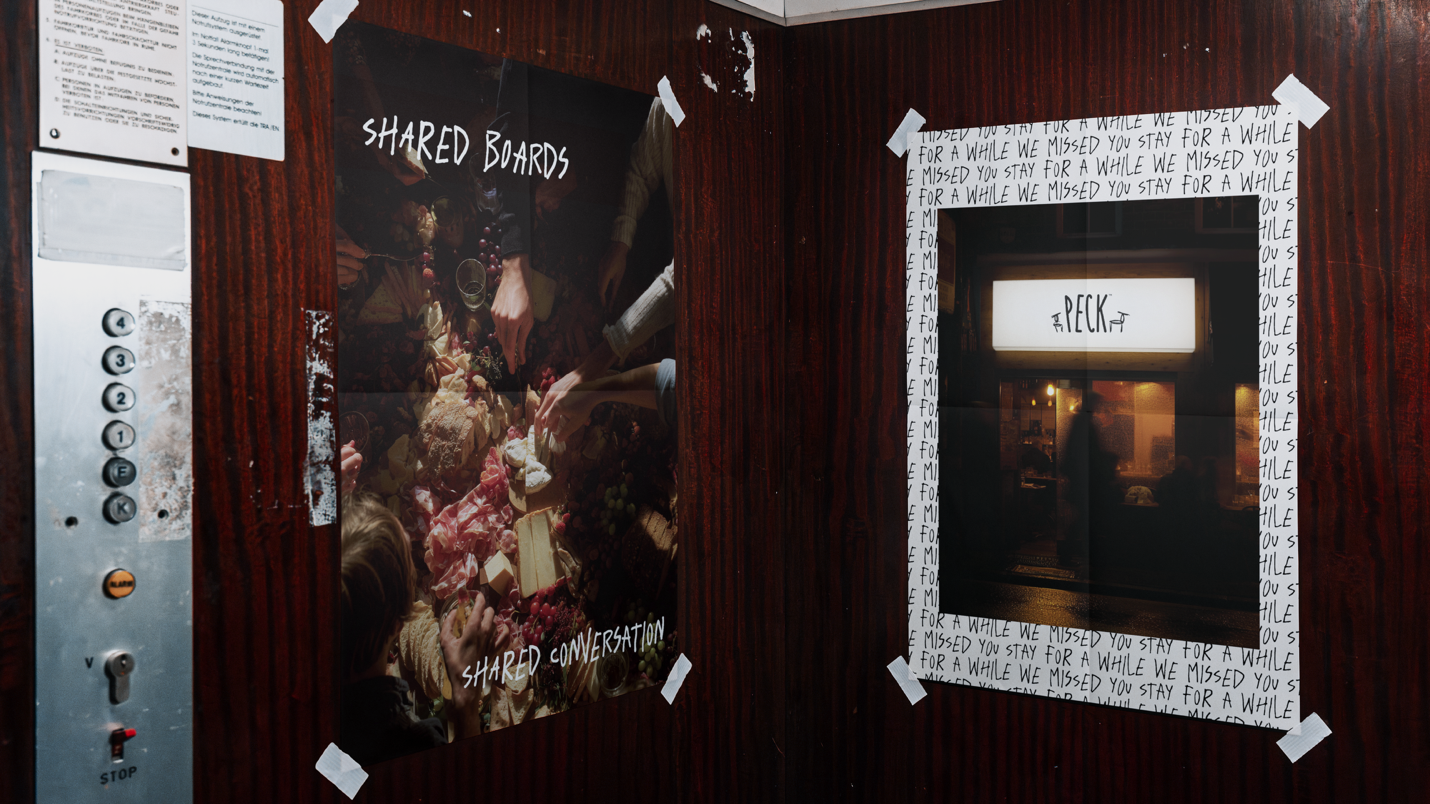
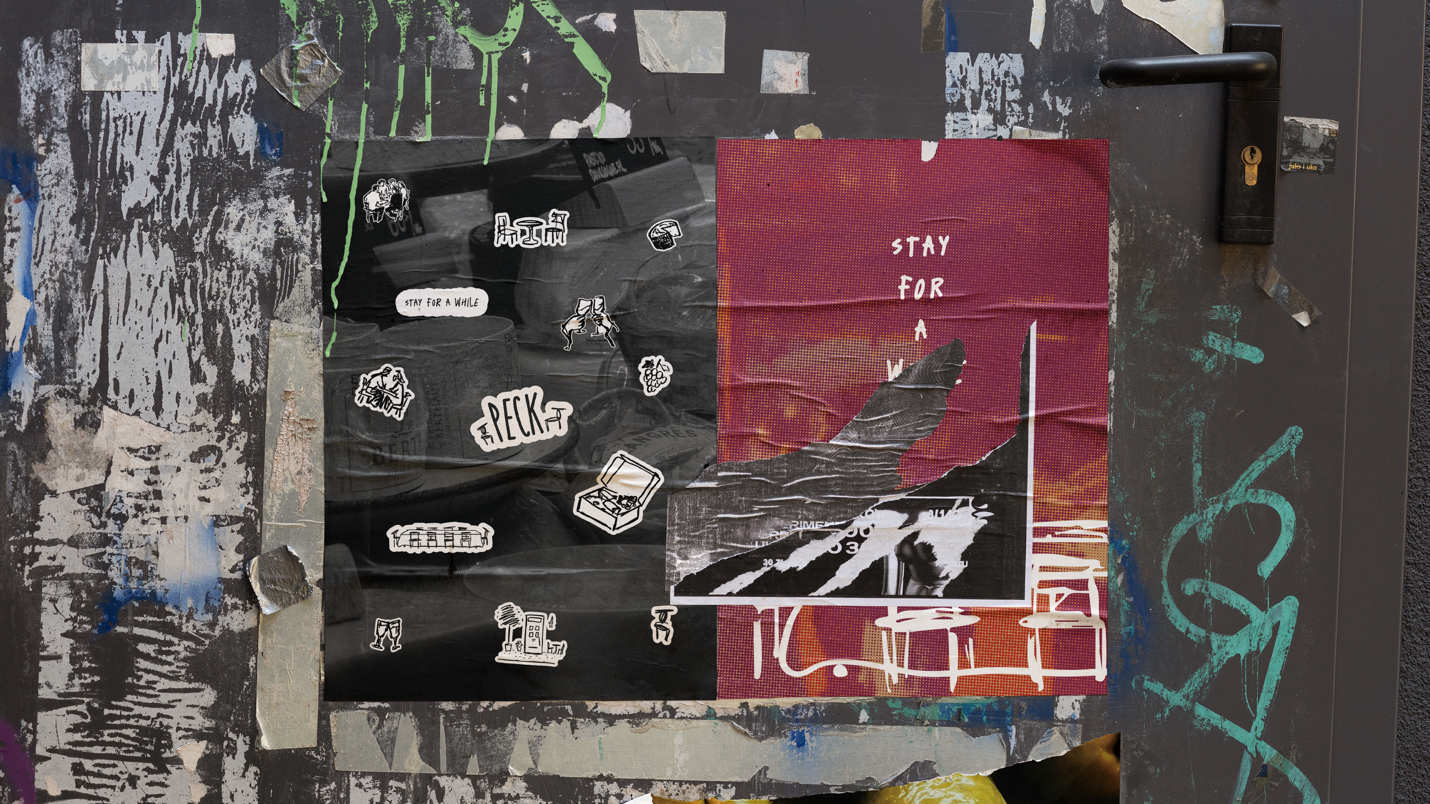
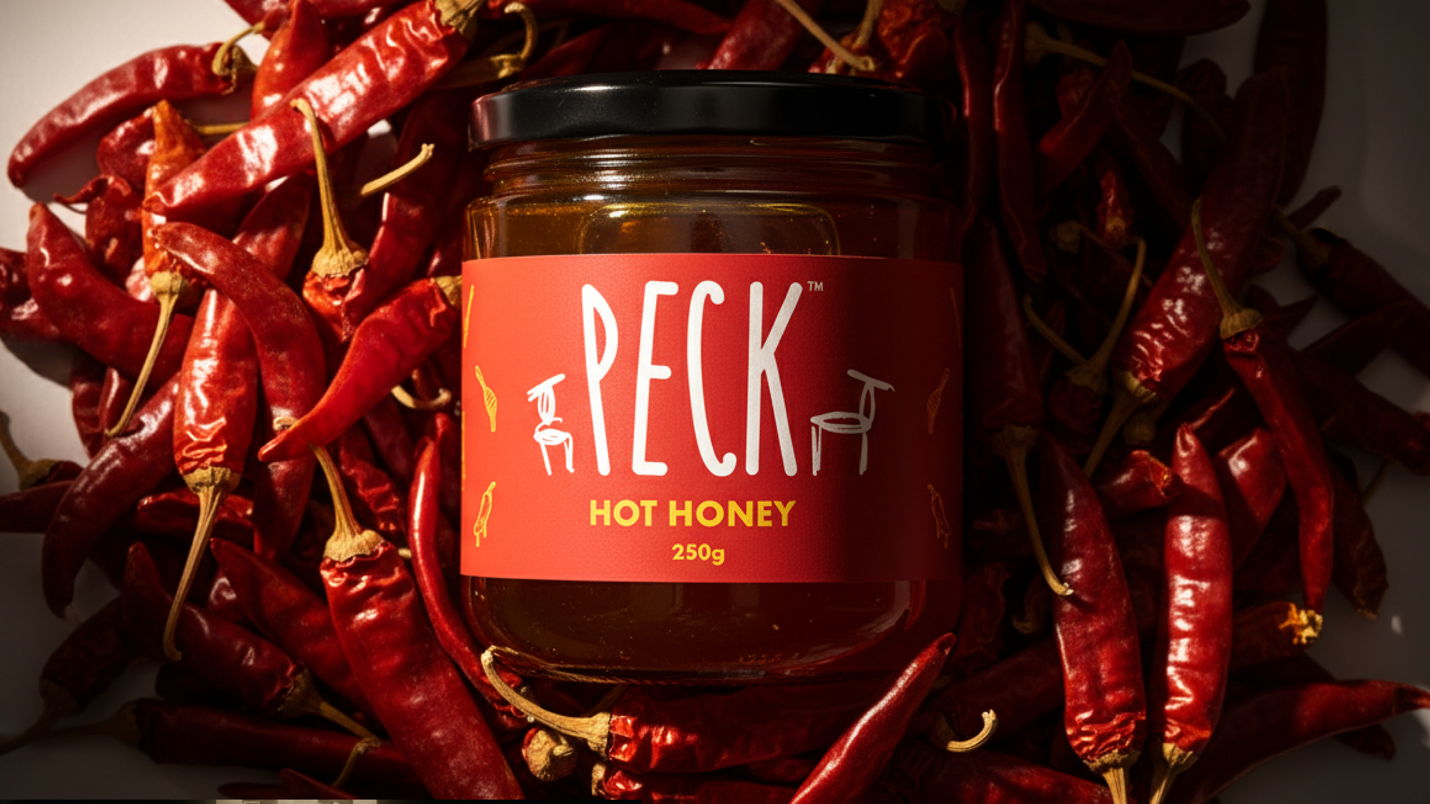
Graduate Maria Semaan independently identified her concept and approach. Initially skeptical of AI, she avoided it until the production stage, then generated imagery only where needed for PECK. By completing the project, she developed a practical understanding of how to use AI efficiently in her work.

What changed between junior and senior year
The role of AI stayed largely within execution, while the student retained ownership of the idea. What changed was the level of scrutiny, scaling with the level and stakes of the work.
| Decision | Layout and Production (junior) | Capstone (senior) |
|---|---|---|
| Where AI is used | Image generation for production | Research support and image generation |
| Who owns the idea | Student, developed before AI | Student, assessed before any execution is shown |
| Declaration | Expected, informal | Written form, mandatory—no form, no grade |
| Supervision | Final visuals; prompts on request | Prompt histories reviewed throughout |
| Weight of execution vs. idea | Roughly balanced | Idea and statement carry most of the grade |
For colleagues
A few practical notes
- 1
Decide first what the course is for
If the course teaches a skill AI can now do, the policy will look different from a course that teaches judgment about that skill.
- 2
Write the policy in tiers
Define whether AI use is not permitted, permitted with declaration, or actively encouraged for critical study—and customize the activities in each tier.
- 3
Make declaration mechanical
Use a form, a deadline, and a consequence. This removes ambiguity and protects students who use AI honestly.
- 4
Review process, not just output
Prompt histories are the new sketchbook. Looking at them reveals iteration, judgment, and the student’s decision-making process.
- 5
Assess the idea separately and first
Review the discipline’s equivalent of the big idea before looking at anything a machine could have produced.
None of this is complicated. Most of it is what good studio teaching has always been, with one more kind of process work to review. The idea is still theirs. The job is to keep it that way, and to make sure they can prove it.