Faculty perspective
Beyond the Classroom: Preparing Future Scientists and Healthcare Professionals
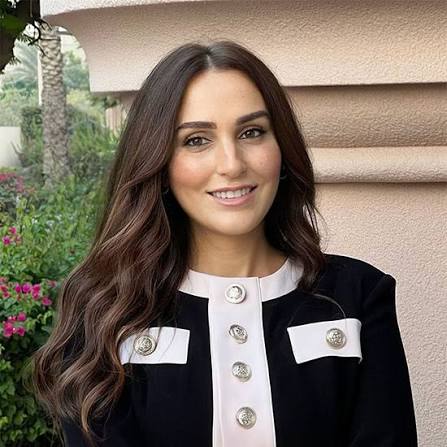
Dr. Muriel Tahtouh Zaatar
Chair, Department of Biological and Physical Sciences · American University in Dubai
In science and healthcare, knowledge is only the beginning. What matters is knowing how to apply it, work with others to solve real-world problems, and develop the skills to make a difference.
Why science education must go beyond knowledge
Every year, I meet students who are passionate about biology but are still discovering where that passion might take them. Some aspire to become doctors, while others are interested in genetics, biotechnology, forensic science or research. Many have yet to discover the full range of opportunities available to them.
But how do we prepare students for careers that require far more than scientific knowledge? How do we help them develop the judgment, practical skills and confidence to apply what they learn, work across disciplines and find their own professional direction?
Our responsibility as educators goes beyond teaching scientific concepts. We need to prepare students to apply knowledge, think critically, work collaboratively and make informed decisions about their future.
In our Biology program at the American University in Dubai, we approach this through three complementary strategies: experiential and immersive learning, team-based learning, and early exposure to professional practice.
Together, these approaches help students become active partners in their own learning while developing the knowledge, skills and confidence they need as future scientists and healthcare professionals.
Strategy one
Experiential and immersive learning: From theory to practice
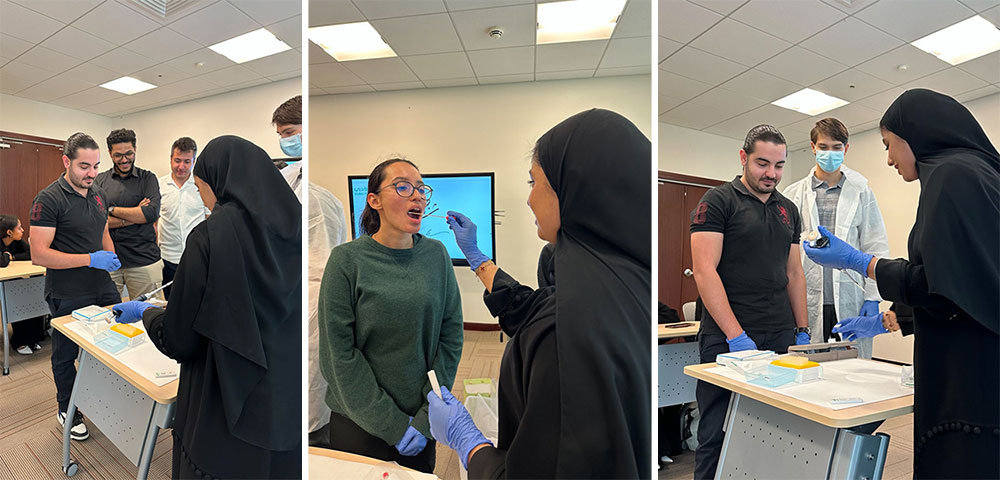
Most of our biology courses are linked to laboratory work, giving students opportunities to apply what they learn in class through hands-on experiments and investigations.
But there are limits to what conventional laboratories can offer. Some biological processes are difficult to visualize, while certain clinical scenarios cannot be safely or practically recreated in a teaching laboratory. This is where immersive learning opens up new possibilities.
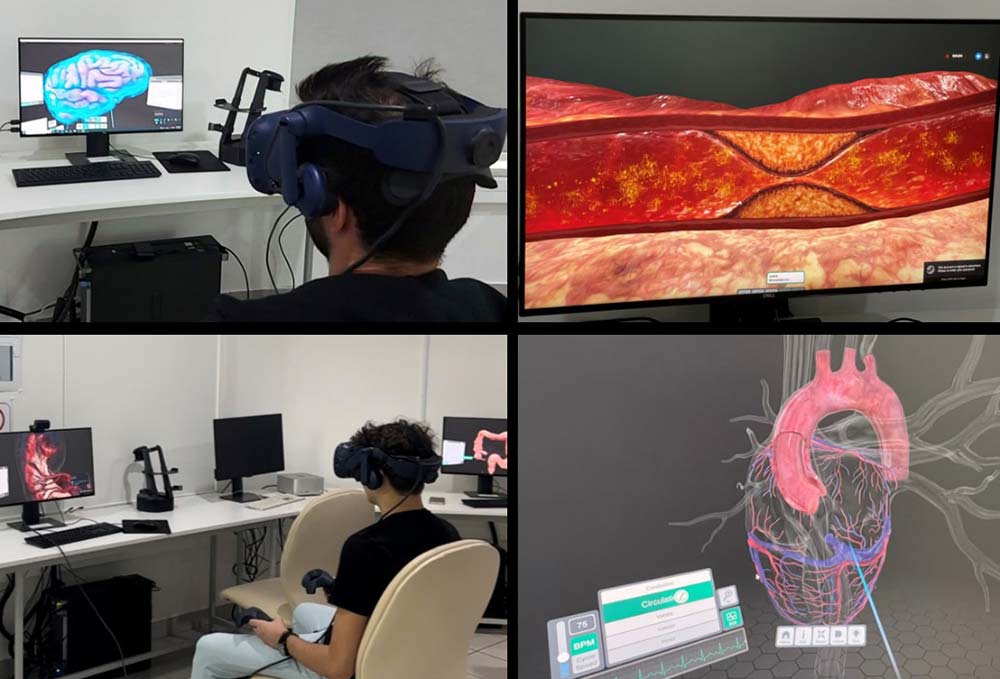
Through our virtual reality laboratory and AI-supported simulations, students can explore complex body systems in three dimensions, interact with virtual patients, analyze symptoms and practice clinical decision-making in a safe, controlled environment.
They can investigate situations that would otherwise be difficult to experience, repeat procedures and explore different approaches without putting real patients at risk.
Imagine a student interacting with a virtual patient, analyzing symptoms and deciding which diagnostic tests to request. Instead of simply memorizing how a disease affects the body, students can explore the underlying biological processes, apply their knowledge and work through clinical decisions in a safe environment.
We also extend learning beyond the laboratory through field experiences. In plant physiology, for example, students visit greenhouses to observe hydroponic systems and understand how the concepts they study are applied in agricultural production.
Strategy two
Team-based learning: Preparing students to solve problems together
In science and healthcare, complex problems rarely have simple solutions, and they are rarely solved by one person. Developing a new treatment may require immunologists, geneticists, molecular biologists and clinicians to combine their expertise. Similarly, diagnosing and treating a patient may involve several healthcare professionals, each contributing a different perspective.
I want my students to experience this kind of collaboration before they enter their professional careers.
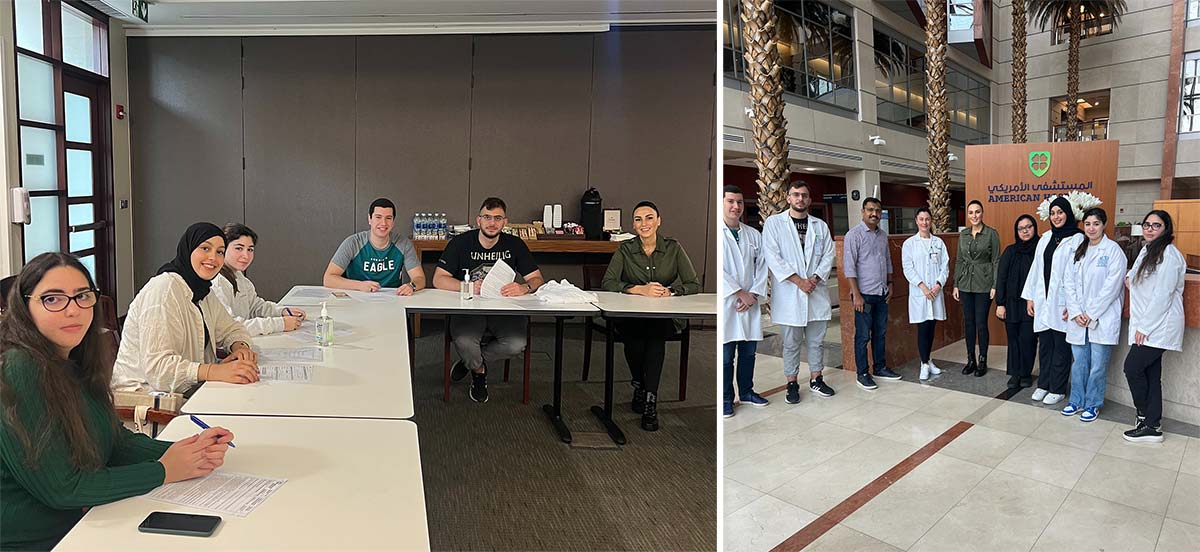
For example, in my immunology course, students receive research papers on topics such as CAR T-cell therapy, mRNA vaccines and cancer immunotherapy. Working in teams, they examine the evidence, discuss the findings and answer questions that require them to apply what they have learned in class. Each team then shares its reasoning, opening the discussion to different interpretations and perspectives.
Just as scientists and healthcare professionals bring different expertise to a complex problem, students learn to combine their strengths, challenge one another’s thinking and reach conclusions supported by evidence.
This approach helps students develop several skills simultaneously. They learn to read scientific literature critically, interpret evidence, explain complex concepts, defend their reasoning and consider different perspectives. More importantly, they begin to understand that scientific progress depends not only on individual knowledge but also on the ability to work effectively with others.
Different strengths, one shared goal
Every student brings different strengths. Teamwork helps students recognize how data interpretation, clear explanations, insightful questions and unexpected connections can complement one another. It also creates a more accessible space for students who may be less confident speaking before an entire class.
When learning shapes future aspirations
One student shared that her immunology course experience inspired her to consider a master’s degree in the field. Active learning can reveal not only what students know, but what they enjoy, where their strengths lie and what they may pursue next.
Strategy three
Early career exploration: Discovering opportunities before making decisions
Biology offers an extraordinary range of career opportunities, yet many students begin their university journey with a limited understanding of the pathways available to them. They may know they want to pursue medicine or research, but have little exposure to fields such as biotechnology, forensic science, molecular diagnostics or the many emerging areas of science and healthcare.
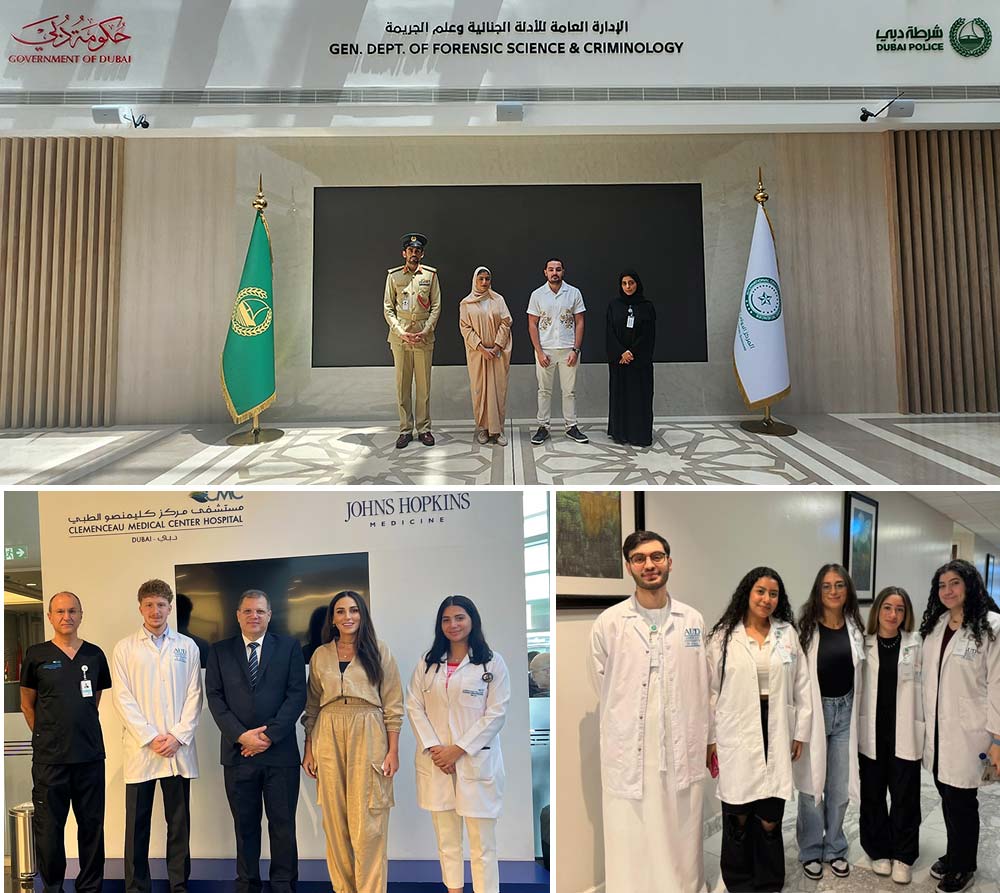
I believe students should not have to wait until their final year to discover these possibilities. That is why we introduce short extracurricular internship opportunities from the first year of our Biology program.
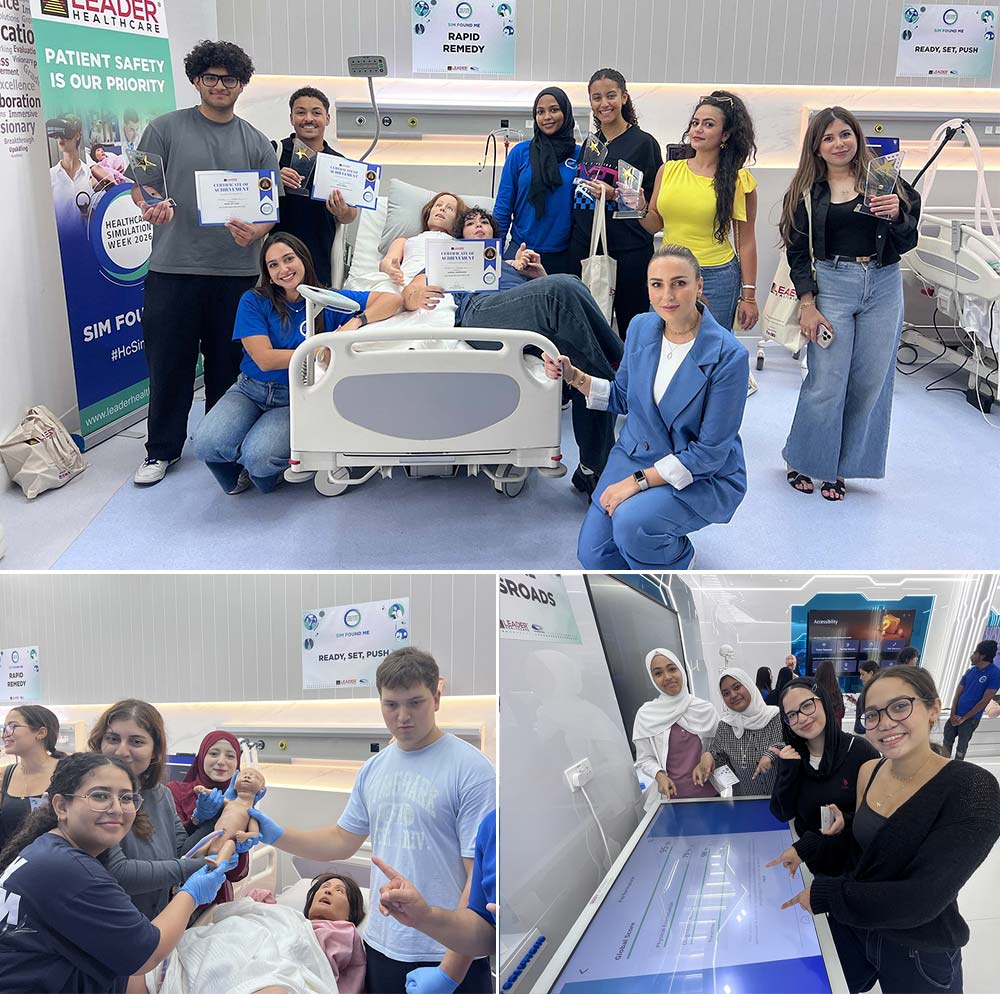
These early experiences give students opportunities to explore different professional environments, interact with scientists and healthcare professionals, and gain firsthand insight into what different careers involve. A student interested in medicine may discover a passion for clinical research. Another may find that working in a molecular biology laboratory or forensic setting is more closely aligned with their interests and strengths.
The purpose is not to direct students toward a particular career, but to help them discover their options and make informed choices.
From early exploration to focused professional experience
Our approach distinguishes between early extracurricular internships and the curricular internship that students complete later in their degree. The early internships are primarily about exploration: students experience different professional settings, discover new career possibilities and begin to identify the areas that interest them most.
By the time they undertake their curricular internship, they can make a more informed choice about where they want to gain experience and which professional skills they want to develop.
When students have seen how scientific knowledge is used in a hospital, research laboratory or industry setting, the concepts they encounter in class take on new meaning. They begin to understand not only what they are learning, but also why it matters and where it might take them.
Bringing it all together: Knowledge, skills and direction
My aim is to give students opportunities to experience science, learn from one another and explore their professional interests early in their education. I want them to graduate not only with scientific knowledge, but also with the skills, confidence and direction to put that knowledge to work as future scientists and healthcare professionals.